Muscle Stiffness During Perimenopause and Menopause Treatment
In Singapore, up to 1 in 3 women in midlife experience muscle or joint stiffness. Hormonal changes can affect how your body moves and recovers. As oestrogen drops, flexibility and joint comfort often change. At Calyx, we help women feel mobile, strong and confident throughout perimenopause and menopause.
What Is Muscle Stiffness During Perimenopause and Menopause Treatment?
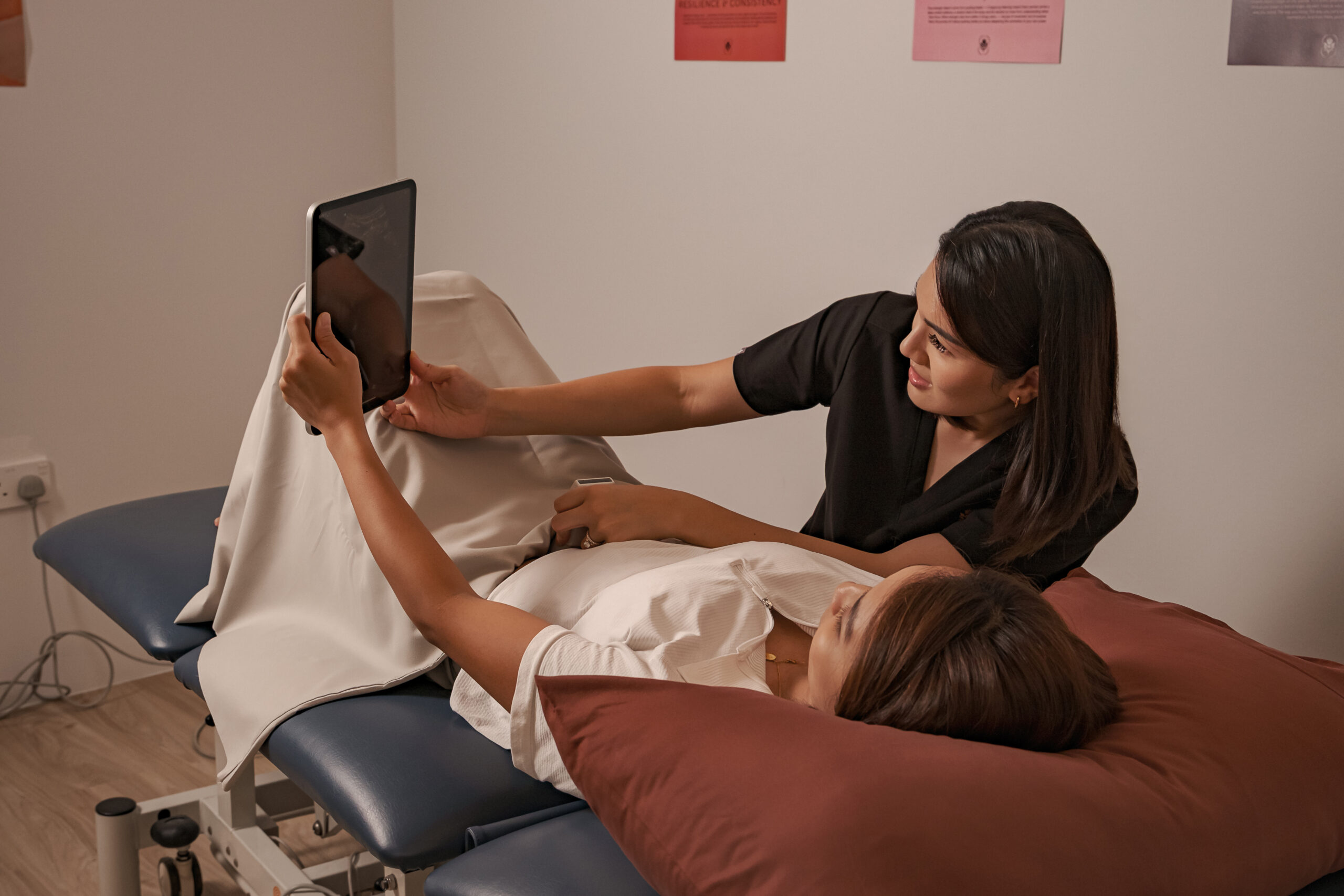
At Calyx, we use tailored exercises, hands-on release, and posture advice to ease stiffness and improve movement. We also provide personalised home programmes to support you between sessions so that you feel balanced and confident through this transition.
Is This Safe for Me?
Yes. All interventions at Calyx are designed with safety and hormonal sensitivity in mind. We tailor treatment plans based on your individual health profile, lifestyle, and symptom severity.
Who Should Consider Muscle Stiffness Treatment?
If your muscles feel tight in the morning or slow to recover from movement, it may be related to hormonal shifts. Treatment is especially helpful if you're navigating fatigue, sleep disruption or joint pain during this phase of life.
-
Do I Need a Referral?
No referral is needed. You can book directly with us. If needed, we’re happy to coordinate care with your GP or specialist.
-
Is This Suitable Before or After Childbirth? Or Both?
While muscle stiffness due to menopause typically affects women over 40, many women notice musculoskeletal changes in the perimenopausal years which can sometimes overlap with postpartum recovery. This treatment is safe and effective at both stages.
Symptoms and Signs You May Benefit from Muscle Stiffness Treatment
Common signs include:
- Stiffness in the back, hips or neck when getting out of bed
- Muscle tightness or discomfort after sitting for long periods
- Achiness or soreness even after mild activity
- Stiffness after walking, taking stairs or daily errands
- Reduced flexibility when bending, turning or reaching
These symptoms can creep in slowly, making it easy to brush them off as normal. But they often reflect how hormonal changes affect your muscles and joints. At Calyx, we help you catch these signs early and move forward with clarity, strength and ease.
What Happens During Your Session
Our sessions are designed to assess, release, and restore mobility in key areas affected by hormonal changes.
-
Will There Be an Internal Assessment?
No internal assessment is required for this treatment, unless other pelvic symptoms are involved. We focus on external muscle groups and functional movement.
-
Do I Need to Prepare or Bring Anything?
Just wear comfortable clothing that you can move in. You may wish to bring a list of your symptoms or previous diagnoses.
-
What Happens After the Session?
You’ll receive tailored home exercises and follow-up care instructions. Most patients feel looser or lighter after their session.
Techniques and Tools We May Use
- Myofascial release
- Soft tissue mobilisation
- Joint mobilisation techniques
- Gentle strength and mobility training
- Guidance to modify existing activities or exercise
- Heat therapy or ultrasound therapy if needed
-
Is It Painful or Uncomfortable?
Treatment is gentle and should not be painful. Most clients find it relieving and even relaxing.
-
How We Ensure Safety in Each Method
We adapt each approach based on your mobility, pain threshold, and hormonal status. Every method is rooted in evidence-based care.
Your Progress and Results Over Time
-
How Soon Will I See Improvement?
Improvement varies from person to person and depends on the severity of your symptoms, your individual response to treatment, and how consistent you are with your home exercises.
After a thorough assessment, your physiotherapist will provide a clearer timeline and guide you through realistic expectations for progress.
-
How Often Will I Need Sessions?
This depends on your baseline flexibility, activity levels, and other menopause-related changes. Most clients start with weekly sessions before tapering off.
-
Will I Need Maintenance Visits?
After your initial progress, ongoing support can help you maintain strength, posture, and healthy movement habits as you navigate midlife changes and beyond. You may benefit from one-to-one check-ins or join Resilient in Transition, our specialised programme designed to support lasting bone health, mobility, and confidence throughout this chapter of life.
-
What Do I Need to Do at Home?
We’ll equip you with stretches, posture corrections, and movement strategies to maintain tissue extensibility and mobility between sessions.
Why Women Trust Calyx for Muscle Stiffness Treatment
At Calyx, we specialise in physiotherapy for every phase of womanhood: from birth recovery to menopause. Our approach is compassionate, discreet, and highly personalised.
Are Sessions Covered by Insurance?
Coverage for physiotherapy varies by insurer and plan. Please check with your provider. We’re happy to provide detailed invoices to support any claims.
What Makes Calyx Different?
We understand how hormonal changes affect pain, posture and movement. Our care is personalised, clinical and always centred on your experience.
How Much Does It Cost?
We offer transparent session-based pricing. See price list.
Explore Related Conditions
Take the First Step Toward Relief
You don’t need to endure stiffness or discomfort alone. Reach out today and let our experienced women’s health physiotherapists support your movement, comfort, and quality of life.
📞 Call us at +65 XXXX XXXX
📧 Email: hello@calyx.sg
📅 Book a consultation online